ဌာနနှင့် သင်တန်းများ | APU Ritsumeikan အာရှပစိဖိတ်တက္ကသိုလ်

ပါမောက္ခ

JONES Thomas E. (United Kingdom)

စတန်ဒက်

Miku Higashi (Japan)

AN INSIDE LOOK INTO ST CLASSES

ကျွန်ုပ်တို့၏ ဆရာ၊ ဆရာမများနှင့် ကျောင်းသားများ၏ မျက်လုံးများမှတစ်ဆင့်

What can you discover when you learn about tourism and sustainability outside the classroom?
In ST, you have opportunities to learn on-site through fieldwork and hands-on learning. By moving between classroom discussions and real experiences, you explore the connections between people and nature, tourism and society.
Take a closer look at ST's unique, real-world learning style through Professor Jones’s Fieldwork Class and insights from one of our students.

Learn Outside the Classroom. See the World for Yourself.

Why is it important to learn about sustainability and tourism outside the classroom? In ST, students engage in fieldwork to hear people’s stories firsthand and gain a deeper understanding of the realities facing local communities.

ပိုပြီးဖတ်ပါ

Learn Outside the Classroom. See the World for Yourself.

ကျောင်းသားတစ်ဦး၏ အသံ

Visiting different locations and interviewing visitors and staff members allows you to understand issues beyond what you learn in the classroom alone. Through these experiences, your understanding deepens significantly.

ပိုပြီးဖတ်ပါ

There Are No Simple Solutions.

Tourism can help support local communities and protect nature, but it can also place pressure on the environment. In real-world situations, students encounter complex challenges that cannot be solved by simple answers alone.

ပိုပြီးဖတ်ပါ

There Are No Simple Solutions.

ကျောင်းသားတစ်ဦး၏ အသံ

Protecting the environment alone is not always enough.
By listening to people who work in this field, I came to understand the complexities of tourism and sustainability.

ပိုပြီးဖတ်ပါ

There is More Than One Right Answer

People may view the same issue in very different ways.
In ST, you'll broaden your perspective by engaging with diverse cultures, values, and ways of thinking.​

ပိုပြီးဖတ်ပါ

There is More Than One Right Answer

ကျောင်းသားတစ်ဦး၏ အသံ

Perspectives differ across cultures and countries, even when it comes to conserving nature. Encountering different values expanded my understanding of what I used to think was normal.

ပိုပြီးဖတ်ပါ

Learning Through Observation and Dialogue

Addressing complex challenges requires the ability to ask questions and think critically. In ST, you'll develop these skills through hands-on experiences that encourage observation, investigation, and independent thinking.

ပိုပြီးဖတ်ပါ

Learning Through Observation and Dialogue

ကျောင်းသားတစ်ဦး၏ အသံ

In a real-world situation, you will observe and interpret a problem from a different perspective. This is the most rewarding aspect of fieldwork—making your own discoveries and building new insights along the way.

ပိုပြီးဖတ်ပါ

Your Passion Becomes Your Future Career

"I care about the environment." "Biodiversity is important." "I'm interested in tourism.”
In ST, students turn their interests into knowledge, skills, and experiences that can make a meaningful impact on society.

ပိုပြီးဖတ်ပါ

Your Passion Becomes Your Future Career

ကျောင်းသားတစ်ဦး၏ အသံ

My interest in environmental issues gradually evolved into a clear vision for my future. Through classes and discussions, I discovered new possibilities and expanded my perspective.

ပိုပြီးဖတ်ပါ

I believe education is not simply about transferring knowledge—it is about transforming the way we see and understand the world.
Tourism has the power to connect people, cultures, and nature, but it also has the potential to affect society and the environment. That is why not just passion, but critical thinking and a genuine commitment to understanding the realities of real situations are essential.
Through your studies in ST, I hope you will explore the world with your own eyes, engage with diverse perspectives, and think deeply about how people and nature can coexist in a more sustainable future.

Professor JONES Thomas E.

ST စာသင်ခန်းထဲသို့ ပထမခြေလှမ်းကို လှမ်းလိုက်ပါ။

ဒီမှာ ပညာသင်ယူရတာ ဘယ်လိုလဲဆိုတာ ကြည့်ဖို့ အဆင်သင့်ဖြစ်ပြီလား။
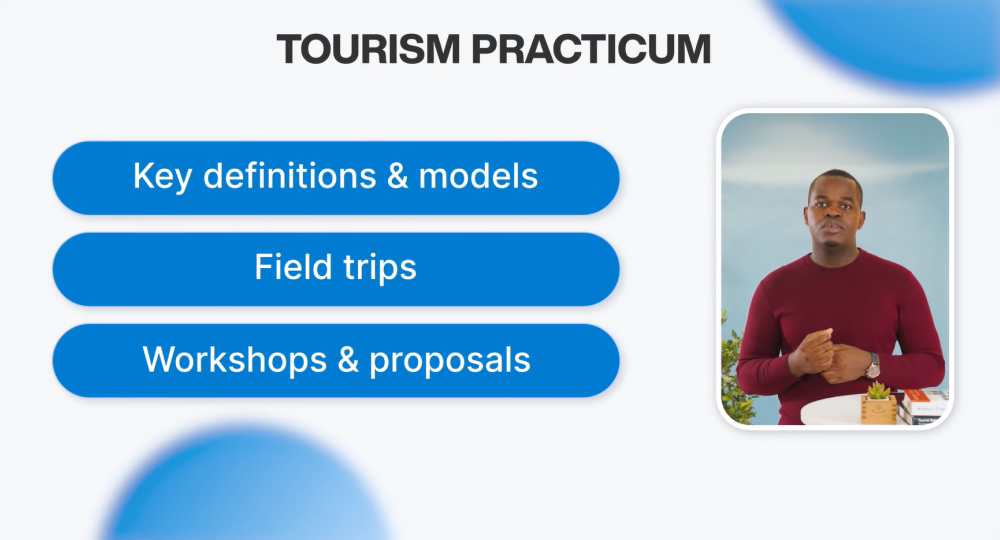
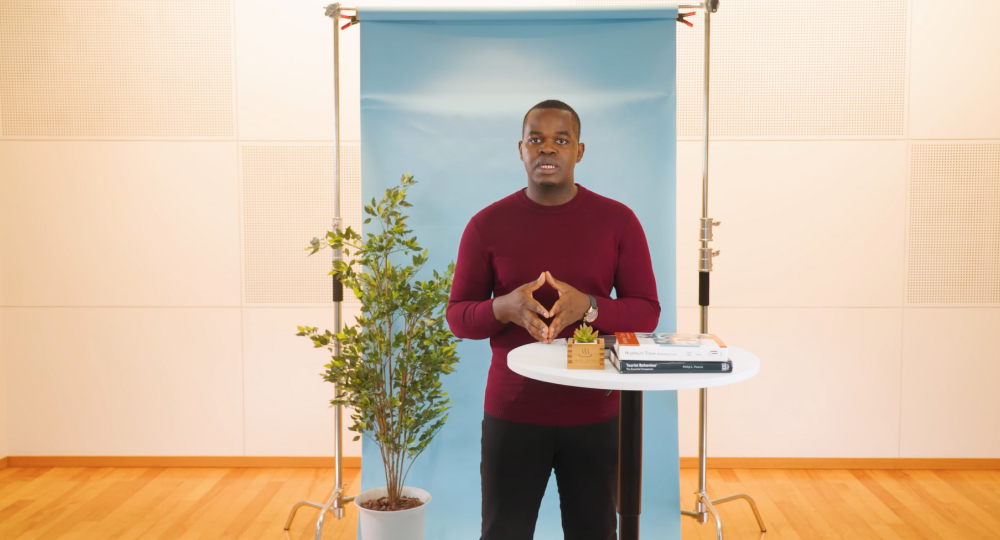
ကျွန်ုပ်တို့ရဲ့ ဟောပြောပွဲဗီဒီယိုကို ကြည့်ရှုပြီး နေရာတွေကို အဓိပ္ပာယ်ရှိတဲ့ ခရီးစဉ်တွေအဖြစ် ဘယ်လိုပြောင်းလဲရမလဲဆိုတာ ရှာဖွေတွေ့ရှိဖို့ စာရင်းသွင်းလိုက်ပါ။

ST အတုအယောင် ဟောပြောပွဲ

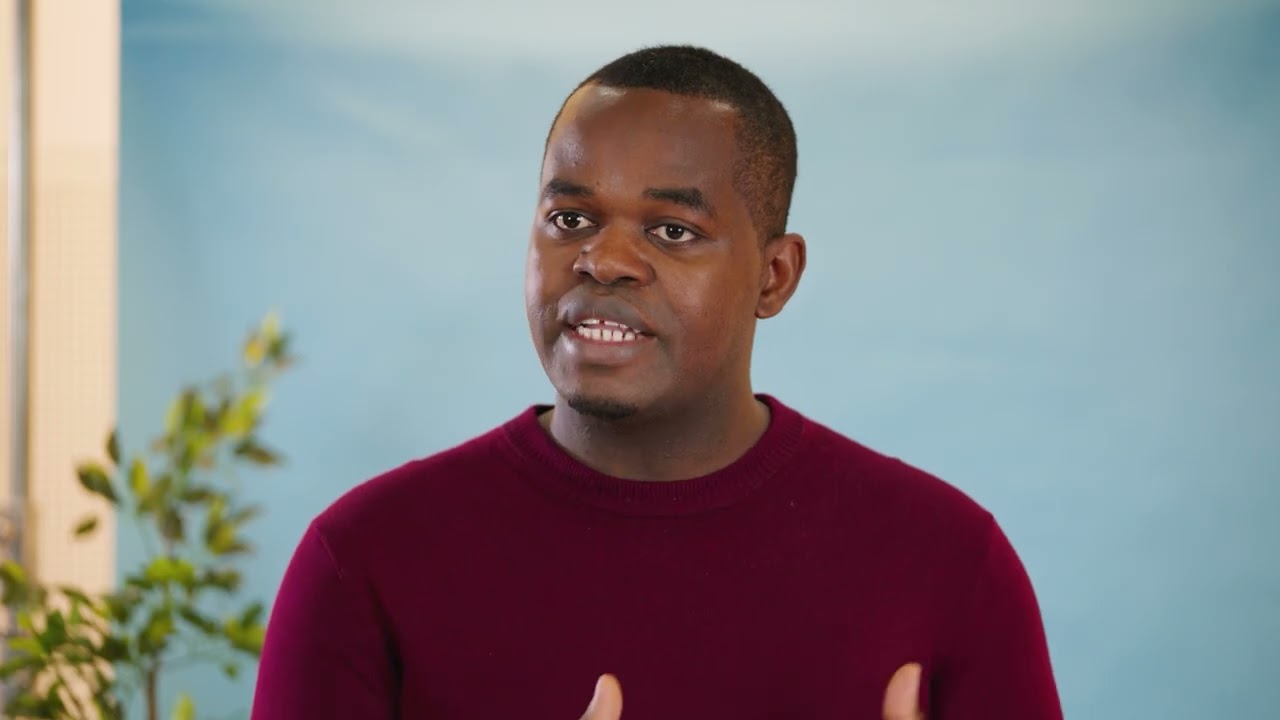
ပါမောက္ခ ကီမို ဘူကာဂမ်ဘာ

ဗီဒီယိုကိုကြည့်ပါ
သင်၏ဘာသာစကားကိုရွေးချယ်ပါ။
ပိတ်ပါ။

အောက်ပါစာရင်းမှ သက်ဆိုင်ရာတန်ဖိုးကို ရွေးချယ်ခြင်းဖြင့် သင်နှစ်သက်ရာဘာသာစကားကို သတ်မှတ်ပါ။

အတုအယောင်ဟောပြောချက်ကို လော့ခ်ဖွင့်ပါ
ပိတ်ပါ။
ဖွင့်နေသည်...

မှတ်ပုံတင်ပေးတဲ့အတွက် ကျေးဇူးတင်ပါတယ်။
သင့်အတွက်သာ ရည်ရွယ်ထားတဲ့ ဒီ ၁၀ မိနစ်စာ ဗီဒီယိုကို ခံစားကြည့်လိုက်ပါ။

 
ပိတ်ပါ။

I have conducted visitor research in places such as Mt. Fuji and national parks across Japan as well as protected natural areas in Malaysia, Borneo, and Vietnam. Collecting real voices through on-site surveys and interviews is a very important part of this research. Information gathered in the field is often considered the gold standard because it reveals realities online research alone cannot capture. I believe it is essential to listen to people on-site and observe situations with your own eyes, especially when exploring complex issues such as nature conservation and human-wildlife relationships.

 
ပိတ်ပါ။

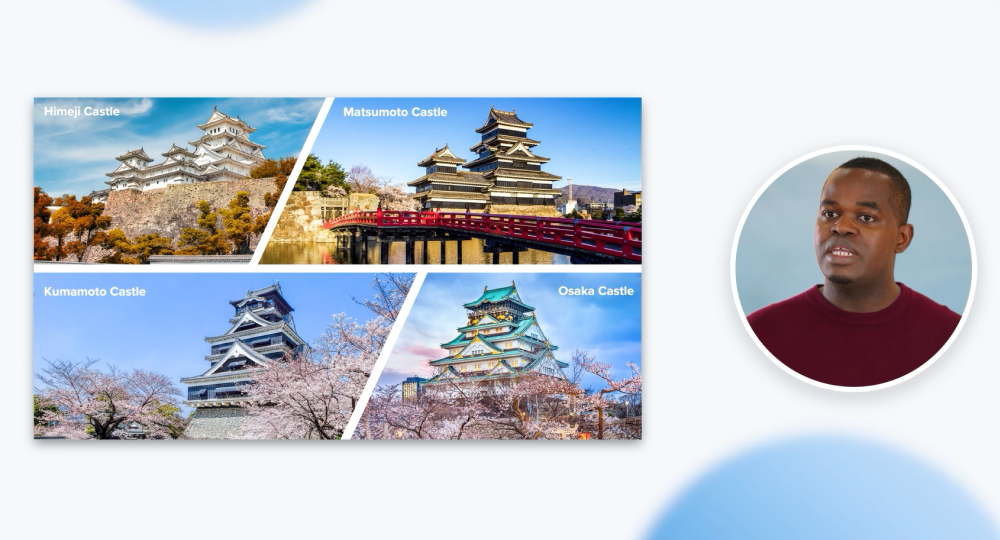
In Professor Jones’s class, we conducted local fieldwork at Mt. Takasaki and Umitamago Aquarium, interviewing visitors and staff to learn about the real connection between tourism and wildlife conservation.
What impressed me most was the close relationship between people and animals in these facilities. By observing the sites firsthand, I could better understand relationships and challenges that were difficult to see in the classroom alone. Hearing that tourism revenue is necessary to protect animals also made me realize how closely environmental issues are connected to society and the economy.

 
ပိတ်ပါ။

Tourism is one of the world’s largest industries and plays a key role in connecting people and cultures. However, it is also closely linked to challenges such as climate change, overtourism, and biodiversity loss. In ST, you learn about tourism not only as something enjoyable, but as a way to think about how society and nature can coexist.
This is why our world needs people who can engage with communities and the natural environment to help shape a more sustainable future.

 
ပိတ်ပါ။

Before taking this course, I thought protecting the environment should always come first. But through conversations with on-site staff, I learned that protecting animals also requires financial support.
Many facilities in Japan rely on tourism revenue, and that income helps fund conservation efforts. Through this field study, I realized sustainability is not only about the environment because it also involves people, communities, and local economies.

 
ပိတ်ပါ။

In sustainability, there is more than one right answer. This is why I believe it is important for students from different cultures and backgrounds to discuss issues together and think from multiple perspectives.
Integrity and social impact matter more than ever now in this age of AI. I want students to go beyond classroom learning, engage with real-world challenges, and develop the ability to think critically for themselves.

 
ပိတ်ပါ။

Through this course, I learned that even the connection of nature and animals to society can be felt very differently across cultures. Western, Japanese, South Asian, and Māori perspectives all show different ways of relating to nature, highlighting the diversity of values in conservation.
At APU, discussing with students from different backgrounds helps me encounter perspectives I would not have considered on my own. Professor Jones also stood out for never presenting something as the only correct answer, but instead expanding students’ ideas through discussion.

 
ပိတ်ပါ။

I want students to do more than simply learn knowledge in the classroom—they should gain experience through learning in the field.
For example, at the fifth station of Mt. Fuji, my students and I conducted visitor surveys. By speaking with people on site and collecting data, my students develop practical research skills such as study design and ethical considerations.
Students are not passive learners, but active members of a research team who take part in conducting studies together.

 
ပိတ်ပါ။

In Professor Jones’s fieldwork class, rather than giving specific instructions like "Do this," he sets a direction such as, "Let’s focus on this today." This freedom to observe means each student notices different things, so post-fieldwork discussions were full of moments of, "I never thought of that perspective."
He also expands on our ideas by adding his own experience and expertise, which helps the learning deepen naturally over time.

 
ပိတ်ပါ။

I encourage students to pursue their interests and passions throughout their studies.
By gaining real-world experience through observing, listening, and reflecting, they discover the issues they truly care about and the direction they want to take in the future.
What matters most is not simply acquiring knowledge but continuing to ask your own questions. I hope the experiences students gain in ST will help deepen those questions and inspire a future that is uniquely their own.

 
ပိတ်ပါ။

I have been interested in environmental issues since childhood and have also been involved in activities to protect animals and nature. However, through Professor Jones’s class, I learned that focusing on the environment alone is not enough. Taking into account the connections between individuals, local communities, and the economy has helped me think about sustainability from a broader perspective. As I hope to work for an international organization in the future, I want to continue applying this perspective to connect different stakeholders.

အောက်သို့ လှိမ့်ပါ
ယခင်
နောက်တစ်ခု
  1. 1
  2. 2
  3. 3
  4. 4
  5. 5
  6. 6
  7. 7
  8. 8
စာမျက်နှာထိပ်